Scientific Communication
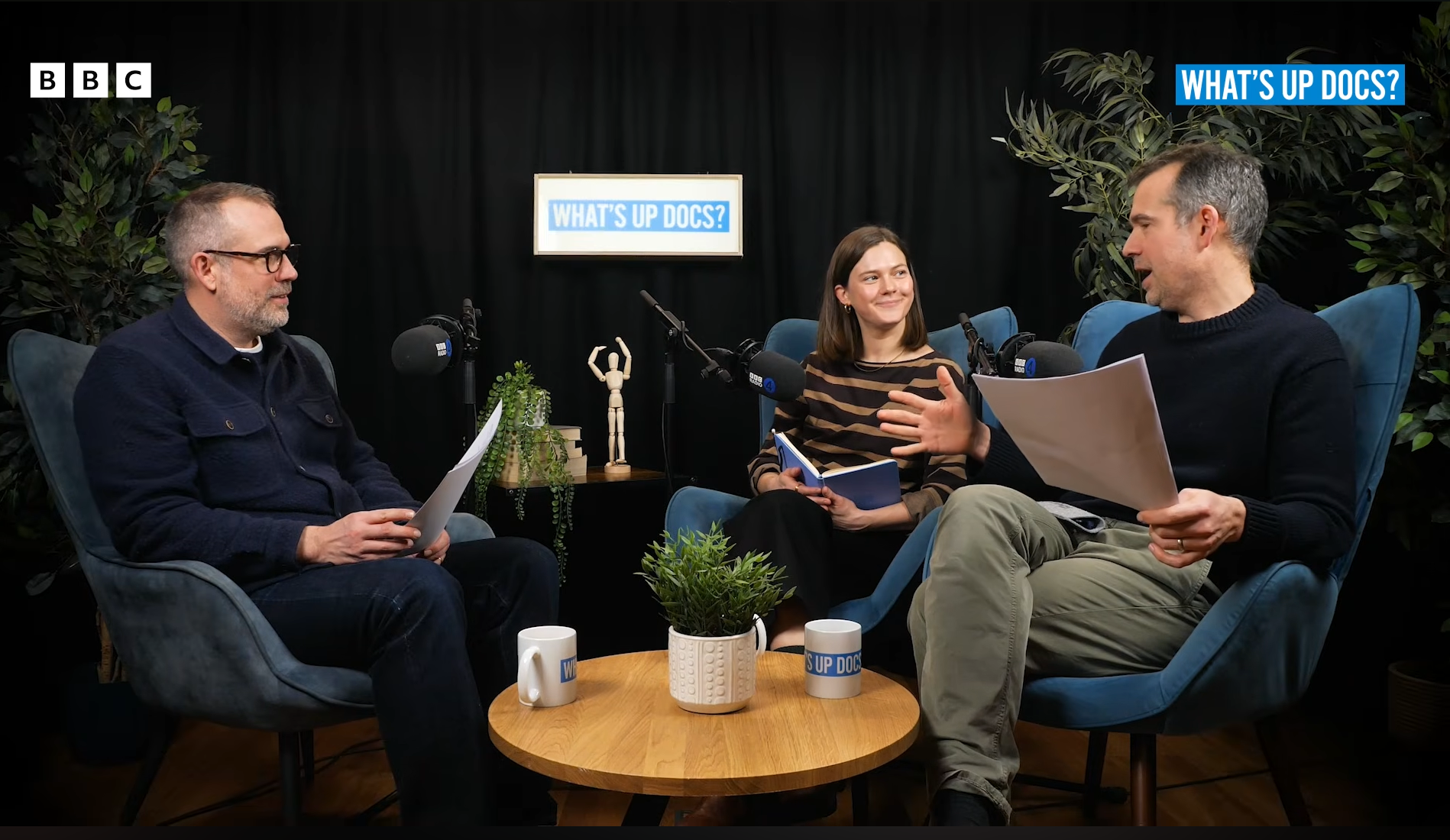
What’s Up Docs & Doctor’s Notes
with Drs Chris and Xand van Tulleken
BBC Radio 4
Chris and Xand dig deeper into the evolution of kissing. They ask what first drew our guest into this unusual area of research, why evidence that humans and Neanderthals kissed is so significant, and why it’s so challenging to explain why kissing developed in the first place.
Kissing
Selected TV, Radio & Podcasts
2026 Ig Nobel Prize Award Ceremony, Zurich
CBS Sunday Morning with Jane Pauley: CBS
Science Quickly: Scientific American
Short Wave (a); Short Wave (b); & All Things Considered: NPR
BBC Breakfast: BBC One
BBC News: BBC News Channel
What’s Up Docs & Doctor’s Notes (with Drs Chris and Xand van Tulleken): BBC Radio 4
The Today Programme: BBC Radio 4
Radio Drive with John Pienaar: Times Radio
Triple J Hack: ABC Australia
Selected Print & Online Media
Kissing may have evolved in an ape ancestor 21 million years ago: New Scientist
Kissing May Have Evolved 21.5 Million Years Ago: Scientific American
Kissing is an ‘evolutionary conundrum.’ Scientists just mapped its unexpected origins: CNN
21-million-year-old smooch: The very first kiss occurred before humans, study says: ABC News
When Was the first kiss? Over 17 million years ago one study suggests: Washington Post
Kissing Has Existed for at Least 16 Million Years, Scientists Say: The New York Times
The Year in Neanderthals: The New York Times
First kiss dates back 21 million years, say scientists: BBC News
Neanderthals and early humans ‘likely to have kissed’, say scientists: The Guardian
First kiss likely happened 21 million years ago, study finds: The Independent
Do you remember our first kiss? It was 21 million years ago: The Times
Neanderthals also kissed: A gesture of love that is 21 million years old: El País
Masturbation
Selected TV, Radio & Podcasts
Woman’s Hour: BBC Radio 4
Savage Lovecast: Dan Savage
Solo-sex: 3Sat Germany
The Moncrief Show: Newstalk Radio Ireland
Selected Print & Online Media
Origins of masturbation traced back to primates 40m years ago: The Guardian
Male masturbation evolved to cut primates' chance of catching STIs: New Scientist
When and why did masturbation evolve in primates? A new study provides clues: Science News
Why do primates masturbate so much? Study traces origins of spanking the monkey: IFL Science
The penis bone
Selected TV, Radio & Podcasts
Science in Action: BBC World Service
The History of Love: ZDF (German language)
The Moncrieff Show: Newstalk Radio Ireland
Videnskabens Verden: Danish Broadcasting Corporation
Selected Print & Online Media
Penis bone lost through evolution: Nature
Why humans lost their penis bone: Science
Why do some mammals have a bone in their penises: The Economist
Why don’t humans have a penis bone: The Guardian
Humans have no penis bone because sex doesn't last long enough, scientists discover: The Independent
Darum hat der Mensch keinen Knochen im Penis: Süddeutsche Zeitung